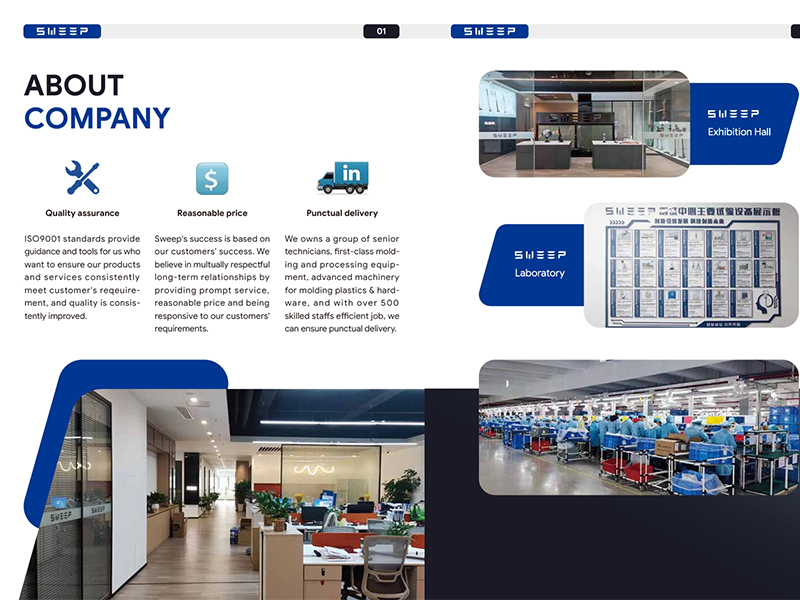
Your first factory visit is exciting, and it's also the moment you're most likely to be shown only what the supplier wants you to see. A clean showroom, a smiling manager, and a lunch banquet tell you very little about whether your order will arrive on time and as specified. A cordless vacuum adds specific things to check: battery handling, motor and electronics sourcing, electrical safety testing, and the plastic molds. This checklist covers what to look at, how to test the claims you hear, and the common ways factories look better than they are.
What the Data Says About Why Verification Matters
Quality problems are common enough that assuming everything is fine is a mistake. QIMA, a major third-party inspection company, reported in 2017 that failure rates for product inspections in China had settled around 30%, a few percentage points below the global average, with the electrical and electronics sector at 23.4% in the first quarter of that year.
Source: QIMA Q2 2017 Barometer, qima.com/newsroom/news/2017-q2-product-quality-ethical-challenges
That data is dated, and I couldn't verify a current equivalent from the same source, so treat it as an illustration rather than today's rate. The point still stands: even among factories that pass your screening, a meaningful share of inspected orders have more defects than allowed.
There's also the problem of the audit itself. Research from Cornell University's New Conversations Project found an active and growing industry in China of audit consulting firms that advertise helping supplier factories pass buyers' audits. Their methods include preparing documents, coaching workers on what to say, preparing the factory space to minimize violations, and using software that generates large numbers of falsified records, in one case with the consultant advising the supplier to box up payroll records and remove them from the factory.
Source: Sourcing Journal, wwd.com/sourcing-journal/industry-news/factory-audit-fraud-china-india-ethiopia-sourcing-cornell-new-conversations-1238772561
Most of that research concerns labor compliance audits, not product quality, but the lesson carries over: a polished visit and a stack of neat documents aren't proof. You need ways to test what you're told.
Before You Go
Verify the basics from your desk. Check the business license name, registered address, and scope, and compare them with the website, catalog, and quotation.
Write your questions and a visit agenda, and decide what you must see: injection molding, battery pack assembly, final assembly, testing, warehouse.
Request documents in advance: business license, export registration, ISO certificate, product test reports, and photos of current production.
Choose the timing. A visit during active production tells you more than one on a quiet day. If possible, add some flexibility to your schedule so you can ask to see areas that weren't on the plan.
Consider hiring a third-party auditor for the first visit, especially if you can't travel.
The On-Site Checklist for a Cordless Vacuum Factory
1. Identity: is this actually the factory?
Does the name on the building, license, and your contract match?
Is the production happening at this site, or only the office and showroom?
Which processes are in-house, and which are subcontracted, such as PCB assembly, motor winding, battery cells, and packaging?
2. Plastics and tooling
How many injection molding machines are there, and are they running?
Where are the molds stored, and are they labeled by customer or model?
Who owns the mold you'll pay for? Get it in writing.
3. Battery handling and safety
Is there a separate, orderly area for battery pack assembly and charging, with fire extinguishers and controlled storage?
What cells do they use, from which supplier, and how are incoming cells tested for capacity and consistency?
Can they show battery transport and safety test reports for the exact pack?
4. Testing equipment, in use
Look for aging or burn-in racks, electrical safety testers, battery cycling equipment, and a way to measure airflow or suction and noise.
Check whether instruments appear used and calibrated, with calibration stickers and dates, rather than dusty and unplugged.
Ask them to run a test on a unit picked from the line, not a prepared one.
5. Quality records
Ask to see incoming, in-process, and outgoing inspection records for a similar product.
Choose a batch or date yourself and ask for that record, rather than accepting a folder they selected.
Ask to trace a finished unit's serial number back to its cell and component batches.
6. Certificates
Check that the model, applicant name, issue date, and lab on each report match the product you're buying.
Remember that a factory-level certificate such as ISO 9001 is not a product safety certificate. We covered how to read marks in our guide to CE, FCC, UL, and ETL.
7. Capacity: do the math
Ask for the number of lines, the line speed, and working hours. A rough estimate is units per hour times effective hours per day times working days per month. Compare it with their stated capacity and with their current order load, including peak season. If their claimed output doesn't fit the lines you can see, ask why.
8. Engineering and customization
How many engineers, and what do they actually design in-house?
Can they modify firmware, change battery capacity, or adjust the brush design, and can they show past examples?
Who owns the design files and any patents?
Common Tricks and How to Spot Them
The staged workshop. Lines that run only when visitors arrive. Look for tools, work-in-progress, and wear patterns that suggest regular use, and ask to return to an area later without notice.
The best-sample trick. Showing a handpicked, carefully built unit that mass production doesn't match. Ask for random units from the line and a pre-production sample before shipping.
Borrowed or mismatched certificates. Reports for a different model, an expired date, or another company's name. Check the details line by line.
Unused equipment. Testers that look new, uncalibrated, or never turned on. Ask to see a test run.
Too-perfect records. Flawless pass rates and tidy paperwork with no corrections. Real production has deviations and fixes.
Controlled walking route. Avoiding the battery area, back warehouse, or subcontractor spaces. Politely ask to see them.
Hidden subcontracting. Part of your order produced elsewhere. Ask directly, and put a clause about subcontracting in the contract.
Coached staff. Rehearsed answers from workers or managers. Ask open questions of different people, and compare answers.
Trading company posing as factory. Company names that don't match, vague answers about production, and no engineers on site.
Refusing photos or video. Ask permission, and treat a blanket refusal as a signal to ask why.
Ways to Cross-Check What You Saw
Request unannounced or short-notice checks for later visits, since announced visits tend to show the best version of the factory.
Use a third-party auditor or inspector to compare findings, including a pre-shipment inspection, with an agreed sampling standard like the AQL system covered in our earlier guide.
Order a small trial batch before committing to volume.
Compare samples from the first batch against the pre-production sample.
Talk to existing customers, if the supplier is willing to provide references.
What a Good Factory Looks Like
Good suppliers tend to welcome scrutiny. They show real records, explain weaknesses honestly, let you walk areas you ask about, and give specific answers on cells, motors, certification, and capacity. A dependable cordless stick vacuum China supplier will be comfortable with a third-party audit, share test reports for the exact model, and put quality terms, subcontracting rules, and mold ownership in the contract.
Frequently Asked Questions
How do I tell if I'm visiting a factory or a trading company?
Check that the business license name matches the site, look for injection molding and assembly lines on the premises, ask which processes are outsourced, and speak with engineers or production managers rather than only sales staff.
Should I announce my factory visit?
Announce the first visit for logistics, but keep some flexibility to see areas not on the agenda. For later checks, short-notice or unannounced visits give a more realistic picture.
Are factory audit reports reliable?
They're helpful but not infallible. Research has documented consultants who help factories prepare, coach workers, and generate documents to pass audits, so verify with your own checks and third-party inspections.
What should I check for battery production?
A separate and orderly pack assembly and storage area, fire safety equipment, cell supplier and incoming tests, and transport and safety test reports for the exact battery model.
Is a third-party audit worth the cost?
For a first order or a new supplier, usually yes. An independent audit and pre-shipment inspection cost far less than receiving a defective shipment you've already paid for.