The global cordless stick vacuum market is undergoing a transformative shift in 2026, driven by evolving consumer demands, regulatory changes, and technological advancements. What was once a niche luxury appliance has become a staple in modern households, with market projections indicating steady growth through the next decade. Verified Market Reports forecasts the market will expand at a CAGR of 6.74% from 2026 to 2034, reaching $7.53 billion by 2034. This growth is fueled by three key factors: the proliferation of smart home ecosystems, stricter sustainability regulations, and continuous improvements in battery and motor technology that have narrowed the performance gap with traditional corded vacuums.
For international brand owners, cross-border sellers, and procurement professionals, understanding these market dynamics is critical to staying competitive. The industry’s evolution is not just about incremental upgrades but a fundamental reimagining of what a cordless vacuum can do. At the center of this innovation wave lies cordless stick vacuum China, a manufacturing hub that continues to set global benchmarks for production efficiency, technical customization, and regulatory compliance. Chinese OEM factories are not just assembling components; they are driving R&D in motor efficiency, battery management, and smart connectivity, shaping the future of the industry.
One of the most significant trends in 2026 is the integration of smart technology into cordless vacuums. What started as basic LED battery indicators has evolved into full-fledged intelligent systems that adapt to cleaning conditions in real time. Top-tier models now feature dust particle sensors that automatically adjust suction power based on the amount of dirt detected, optimizing both cleaning performance and battery life. According to industry research, around 34% of high-end cordless vacuums now include AI-driven suction optimization, a feature that was virtually non-existent just three years ago. These smart systems not only improve user experience but also extend the lifespan of the vacuum by preventing unnecessary strain on the motor and battery.
Battery technology remains a focal point of innovation, with manufacturers continuously pushing the boundaries of runtime and charging efficiency. The shift from standard lithium-ion cells to high-density battery packs has resulted in significant improvements in operational time. Flagship models now offer up to 95 minutes of runtime on low power mode, with some even exceeding 80 minutes on standard suction—enough to clean large homes without recharging. The next frontier is solid-state battery technology, which industry analysts predict will become mainstream by 2028. Solid-state batteries offer longer cycle life, faster charging times, and improved safety, addressing two of the most common consumer complaints: short battery life and long charging periods.
Sustainability has moved from a marketing buzzword to a core design requirement in 2026. Regulatory pressures, particularly in the EU and North America, are driving manufacturers to adopt more eco-friendly practices. The EU Battery Regulation, set to be fully enforced by 2027, mandates removable, replaceable battery packs for portable electrical devices, effectively banning permanently sealed batteries. This shift is forcing OEM factories to redesign their product structures, prioritizing modularity and repairability. Additionally, there is a growing emphasis on using recycled materials in vacuum construction, with many leading brands incorporating 30% or more recycled plastic in their product casings. These sustainable design choices not only meet regulatory requirements but also resonate with environmentally conscious consumers, who are increasingly making purchasing decisions based on a brand’s environmental impact.
The convergence of vacuum and mopping functionality is another defining trend of 2026. Hybrid vacuum-mop models have gained significant market share, offering consumers a single solution for both dry and wet cleaning. These all-in-one systems integrate a water tank, self-cleaning mechanism, and wastewater storage, allowing users to vacuum and mop in one pass. Chinese OEM factories have been at the forefront of this innovation, leveraging their expertise in fluid dynamics and sealing technology to create reliable, leak-proof hybrid designs. For cross-border sellers, these hybrid models present a significant market opportunity, as they cater to the growing demand for multi-functional appliances that save space and reduce cleaning time.
Filtration technology has also seen substantial advancements, driven by increasing consumer awareness of indoor air quality. HEPA H13 filters, once reserved for premium models, are now becoming standard in mid-range products. These high-efficiency filters capture 99.97% of airborne particles as small as 0.3 microns, including pollen, dust mites, and pet dander. Multi-stage filtration systems, which combine cyclonic separation, stainless steel pre-filters, and HEPA filters, are now common in most quality cordless vacuums. This focus on filtration performance is particularly important for households with allergy sufferers, pets, or young children, who are more susceptible to the effects of poor indoor air quality.
For international buyers sourcing cordless vacuums, navigating the evolving market landscape requires a strategic approach. The first step is to align product specifications with regional market demands. For example, European consumers prioritize sustainability and repairability, making modular designs with replaceable batteries essential. In North America, there is a strong preference for high-performance models with advanced smart features, while emerging markets in Southeast Asia focus on cost-effective, durable basic models. Reputable Chinese OEM manufacturers offer flexible customization options, allowing buyers to tailor product features to specific market requirements without incurring excessive development costs.
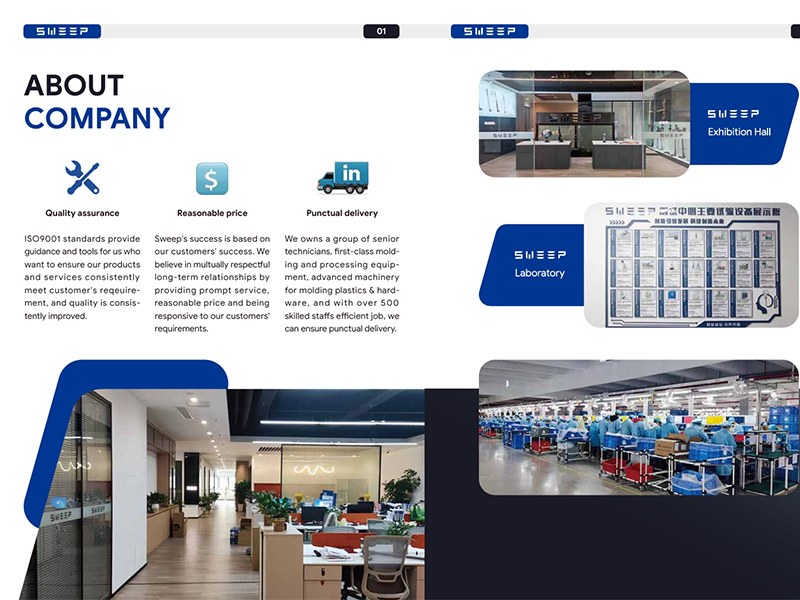
Another critical consideration for buyers is regulatory compliance. Different regions have distinct safety and environmental standards, including CE, FCC, UKCA, and KC certifications. Working with OEM factories that have established compliance teams and in-house testing laboratories can streamline the certification process and avoid costly delays or customs issues. These factories maintain detailed documentation of component sourcing, production processes, and test results, ensuring that products meet all regional requirements. Additionally, many manufacturers offer support with certification applications, reducing the administrative burden for international buyers.
The competitive landscape in 2026 is increasingly polarized between premium flagship models and cost-effective entry-level options. Premium brands continue to push the boundaries of technology, with features like laser dust detection, autonomous cleaning modes, and advanced smart home integration. Meanwhile, budget-focused manufacturers are optimizing their production processes to deliver reliable basic models at accessible price points. This polarization creates opportunities for brands to develop tiered product portfolios, catering to different consumer segments with tailored offerings. For example, a brand might offer a high-end smart model for tech-savvy consumers, a mid-range hybrid model for families, and a lightweight entry-level model for apartment dwellers.
Supply chain resilience has become a key focus for buyers in 2026, following recent global disruptions. Working with manufacturers that have diversified component sourcing and robust inventory management systems is essential to ensure consistent product availability. Chinese OEM factories, with their extensive industrial clusters and local supply chains, are well-positioned to maintain production stability even during global supply chain fluctuations. These factories often have long-standing relationships with component suppliers, allowing them to secure critical parts at competitive prices and reduce lead times. For buyers, this means more reliable delivery schedules and lower risk of stockouts.
Looking ahead, the cordless stick vacuum market is poised for continued innovation and growth. The integration of AI and IoT technology will further enhance product functionality, with vacuums becoming more intelligent and autonomous. Battery technology will continue to improve, extending runtime and reducing charging times. Sustainability will remain a key driver, with manufacturers focusing on circular design principles and reducing their environmental footprint. For international buyers and brand owners, staying informed about these trends and partnering with reliable, innovative manufacturers will be crucial to success in the evolving cordless vacuum market. By aligning product strategies with market demands and leveraging the manufacturing expertise of Chinese OEM factories, businesses can capitalize on the growing demand for high-quality, innovative cordless cleaning solutions.