You know the feeling. You are scrolling through TikTok or Instagram, and a creator is demonstrating a cordless vacuum pulling a layer of cat hair off a rug. The caption reads "this changed my life." The comments are full of "just ordered mine." You have watched it three times. You tap the link.
This is the daily reality of influencer marketing. But the question worth asking is this: how much of your purchase decision is your own judgment, and how much is shaped by repetition, comment-section momentum, and the vague sense that "so many people can't be wrong"?
Academic research on this topic is surprisingly detailed, and the conclusions are more complicated than most people assume.
Trust Is the Mediator, But Trust Itself Is Being Commodified
A study on influencer marketing and purchase decisions in e-commerce environments found that trust plays a critical mediating role between influencer influence and buying behavior. Consumers trust influencers first, then accept recommendations. That trust is built on perceived authenticity, credibility, and emotional investment. The problem is that when influencer recommendations become a profession, trust gets systematically commodified.
A 2026 study published in Cogent Business & Management examined how influencer credibility affects consumer attitudes and purchase intentions among Gen Z online beauty consumers in Thailand. The research found that influencer credibility indirectly influences purchase intention through the mediating mechanism of consumer attitude. In other words, the influence does not directly trigger a "buy" decision. It first changes how you feel about the product, and that attitude then drives the decision.
This distinction matters. It means influencer marketing is not an instant hypnotic effect. It is gradual attitude shaping. You watch three different creators recommend the same vacuum, and your overall impression of that product tilts positive. That is a completely different pathway from researching specs and reading independent reviews on your own.
What Makes an Influencer "Credible"? The Answer Might Discomfort You
You might assume we trust expertise. The data says otherwise.
A study of Gen Z Instagram users in the Middle East found that among the factors influencing purchase intention, the largest effects came from "physical attractiveness" and "para-social interaction," not "expertise." Para-social interaction is the feeling that you have a relationship with a creator. You have watched their videos for six months. You know they have a cat, live in an apartment, and drink Americanos. You feel like you know them. That one-sided emotional connection drives purchase behavior more effectively than their product knowledge.
Another study examining influencer types in live-stream commerce used a 2×2 between-subjects design with a sample of 320 participants. The results showed that influencers with strong para-social interaction capabilities are more effective for hedonic products (like design-forward vacuums), while opinion leadership (expertise) is effective across all product types. Cordless vacuums happen to be a hybrid product. Suction is functional. Design and brand are hedonic. This means a creator you feel connected to may be more effective at driving your purchase than a purely technical reviewer.
Fake Reviews and Undisclosed Sponsorships Are Eroding Trust
Influencer marketing has a fatal weakness. Once consumers sense that a recommendation is not genuine, trust collapses faster than it was built.
Research on fake reviews and false endorsements on social media found a key distinction: for high-awareness brands, fake reviews have limited impact on purchase intention; for low-awareness brands, fake reviews significantly reduce purchase intention. This is particularly relevant to the vacuum industry. Dyson and Shark have established awareness, so fake reviews affect them less. But a brand you have never heard of, if exposed for paying influencers without disclosure, is essentially finished.
The research also notes that trust damage extends beyond individual influencers to "platform credibility and consumer acceptance of influencer marketing overall." In other words, when consumer trust in influencer recommendations declines broadly, every brand suffers.
So how do consumers judge authenticity? An analysis of influencer credibility offers several practical criteria: whether sponsored content is clearly labeled, whether partnerships are disclosed, and whether the creator discusses both pros and cons. If a creator only ever says positive things, only ever "seeds" products, their recommendation value is depreciating.
How Brands Balance Influencer Marketing and Authenticity
For vacuum brands, the temptation of influencer marketing is enormous. A single TikTok video can generate thousands of orders. But the risk is equally real.
A meta-analysis of authenticity in influencer marketing, covering 47 empirical studies published between 2018 and 2024, found that disclosure transparency, interaction authenticity, content consistency, and perceived independence together constitute consumer judgments of overall authenticity. This means a single honest disclosure is not enough. Consumers look at long-term patterns. Does this creator recommend everything? Do they say "must-buy" every time?
One practitioner recommendation from the food service industry offers a practical perspective: "A local creator with 15,000 followers but high engagement is often more valuable than an account with 100,000+ followers that rarely connects with its audience." For vacuum brands, this means that instead of paying a top-tier influencer for a single hard-sell post, working with several mid-tier creators who genuinely use the vacuum and whose content style aligns is a better long-term investment.
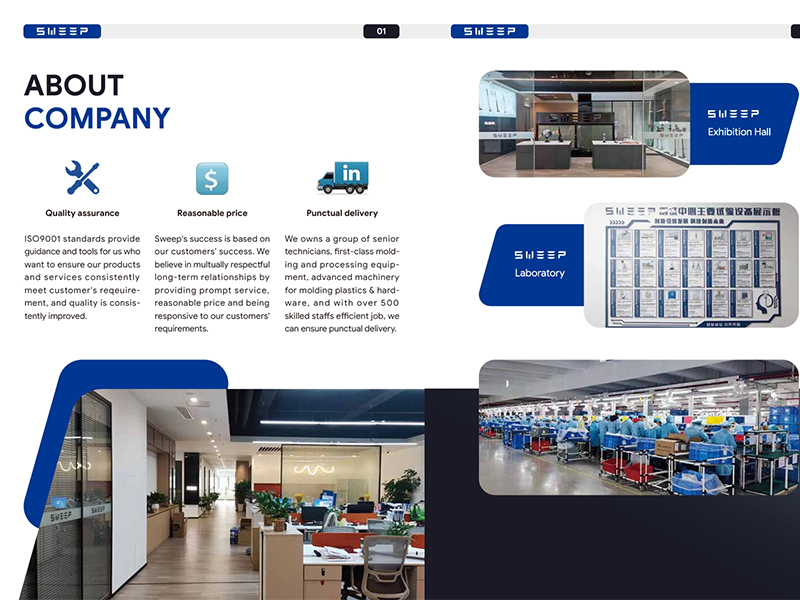
For a Cordless Vacuum Cleaner China manufacturer or brand, this logic is especially important. Vacuums are experience products. Suction, runtime, and anti-tangle performance all need real-world use to verify. If influencer recommendations diverge from actual experience, returns and negative reviews will backfire on the brand.
What Consumers Should Actually Do
You do not need to reject influencers entirely. You need to treat influencer recommendations and independent judgment as separate stages.
The value of an influencer recommendation is discovery. A creator lets you know a vacuum exists. They show you what it looks like cleaning a couch covered in cat hair. That is useful. But before you buy, you need another layer of verification. Check CNET or Consumer Reports for lab-tested data. Read the two- and three-star reviews on Amazon. Confirm whether the battery is replaceable and whether filters are easy to find.
One study puts it plainly: consumers should "compare other sources, read independent reviews, and understand how marketing partnerships work" before making a purchase decision. Influencers can inspire you. They should not decide for you.
At the end of the day, herd behavior is instinct. Seeing "just ordered" comments, seeing a hundred thousand likes, seeing a creator say "this changed my life" triggers a mental shortcut that equates popularity with correctness. But a vacuum is something you use every week. Whether it suits your floors, your pets, and your storage space is something only you know. The influencer does not know. The comment section does not know. You do.
FAQ: Your Top 5 Questions About Influencer Recommendations and Vacuum Buying
1. Do influencer recommendations actually affect vacuum purchase decisions?
Yes, but through an indirect path. Research shows influencer credibility influences purchase intention by first shaping consumer attitudes toward the product. It is gradual attitude change, not instant persuasion. Trust is the mediating variable.
2. Do we trust an influencer's expertise or emotional connection more?
The data points to the latter. A study of Gen Z consumers found that "physical attractiveness" and "para-social interaction" had the largest effects on purchase intention, surpassing "expertise" and "credibility." Feeling like you "know" a creator drives purchasing more than believing they are an expert.
3. Do fake reviews affect all vacuum brands equally?
No. Research shows that for low-awareness brands, fake reviews significantly reduce purchase intention, while for high-awareness brands, the impact is limited. This means new or niche brands depend more heavily on genuine influencer recommendations.
4. How can I tell if an influencer's recommendation is trustworthy?
Look at long-term patterns. Do they clearly label sponsored content? Do they discuss drawbacks? Do they recommend too many unrelated products? Research identifies disclosure transparency, content consistency, and perceived independence as key components of authenticity judgments.
5. Should brands work with big influencers or smaller ones?
Practitioner advice suggests relevance matters more than follower count. "A local creator with 15,000 followers but high engagement is often more valuable than an account with 100,000+ followers that rarely connects with its audience." For vacuum brands, working with creators who genuinely use the product and whose content style aligns is more effective than paying for a single hard-sell post from a top-tier influencer.