Pick up almost any cordless vacuum sitting in a big-box store or an Amazon listing, and there's a strong chance the brand name on the box has never actually built a vacuum in its life. That's not an insult — it's just how the entire industry works, and once you understand it, a lot of confusing pricing and quality inconsistencies suddenly make sense. Here's what actually happens between "someone designs a vacuum" and "it shows up on your doorstep," and why almost none of it looks the way most consumers imagine.
The Uncomfortable Truth: Most Brands Don't Build Anything
This isn't a scandal or a secret conspiracy — it's a well-established, publicly documented business model that spans almost the entire consumer electronics industry, vacuums included. The overwhelming majority of smart cleaning appliances sold under recognizable retail names are manufactured by a relatively small number of specialized factories, with more than 90% of the world's smart cleaning appliances currently produced in China.
Source: Minfutech, minfutech.com/top-10-robot-vacuum-oem-manufacturers-china
This isn't a recent development, either. Some of today's largest floorcare component suppliers have quietly built decades of manufacturing history behind brand names most people assume are simply "made in-house." Suzhou Kingclean, for example, was founded in 1994 and gradually became an ODM/OEM supplier producing vacuum cleaners for major international brands including Philips and Electrolux, reportedly reaching an annual output of around 8 million units by 2004.
Source: Wikipedia, en.wikipedia.org/wiki/KingClean
Read that again: a factory most consumers have never heard of was quietly producing millions of units a year for brands people trust implicitly. That's not deception — it's an entirely normal part of how global manufacturing works. But it does mean the brand name on your vacuum tells you far less about who actually built it than most people assume.
OEM vs. ODM: The Distinction That Actually Matters
These two acronyms get thrown around interchangeably, but they represent genuinely different levels of brand involvement, and the difference explains a lot about why some "different" vacuum brands look suspiciously identical.OEM (Original Equipment Manufacturing) typically means a factory already has a fully engineered vacuum — motor, battery system, brush design, and safety certifications like CE, FCC, and UL already completed — and a brand simply customizes the exterior color, logo, and packaging. This is sometimes called using a "public mold," because the physical design isn't exclusive to any one buyer. It's fast, cheap to launch, and explains why you'll occasionally spot two vacuums under totally different brand names that are, structurally, the exact same machine wearing different paint.ODM (Original Design Manufacturing) goes a step further — the brand works with the factory to develop a more differentiated design, sometimes with genuinely custom tooling, unique features, or exclusive engineering. This costs more and takes longer, but it's how brands avoid selling what's essentially the same product as five competitors at a different price point. Neither approach is inherently better. A newer brand testing the market often starts with OEM to move fast and cheap, then graduates to ODM once they understand what their customers actually want and can justify investing in custom tooling.
How Brands Actually Choose a Factory
This is the part almost no consumer ever sees, but it explains why quality varies so wildly between vacuums that look nearly identical online. A responsible brand evaluating manufacturing partners is typically looking at a fairly specific checklist:
Certifications already in place — CE, FCC, UL, and EMC compliance testing is expensive and slow to complete from scratch. A factory that already holds these for its base models saves months of development time.
Battery and motor R&D depth — this is the single biggest differentiator between a factory that produces genuinely durable vacuums and one that's just assembling generic components. Battery management systems, cell grading, and brushless motor engineering all vary enormously between suppliers.
Minimum order quantities (MOQs) — smaller or newer brands often need to negotiate lower MOQs, which can mean working with a more agile mid-size factory rather than a mega-manufacturer that only deals in massive volume.
Lead time reliability — standard OEM mass production typically runs 25 to 45 days after a deposit and confirmed packaging artwork, which matters enormously for brands trying to catch a seasonal sales window like Q4.
Source: Minfutech, minfutech.com/top-10-robot-vacuum-oem-manufacturers-china
A brand that skips this due diligence — chasing the absolute lowest quote rather than checking what's actually behind it — is exactly how you end up with a cordless vacuum that looks fine in photos but dies within eight months.
Why This Industry Is More Transparent Than It Used to Be, But Still Not Transparent Enough
To be fair to the industry, this has genuinely improved. A decade ago, most consumers had no framework at all for understanding that their "premium" appliance brand might be quietly using the same base components as a budget competitor. Now, B2B sourcing platforms, factory audit services, and increased buyer education have made this information far more accessible — mostly to the brands doing the sourcing, less so to the end consumer actually buying the finished product. That gap is exactly why so much confusion persists at the retail level. A shopper comparing two nearly identical-looking cordless vacuums at very different price points has no easy way to know whether the price difference reflects genuinely better engineering, brand marketing overhead, or simply a markup with nothing behind it. This is arguably the biggest remaining transparency problem in the category — not that manufacturing is hidden exactly, but that almost none of this context ever reaches the person actually deciding what to buy.
What This Means If You're the One Sourcing, Not Just Buying
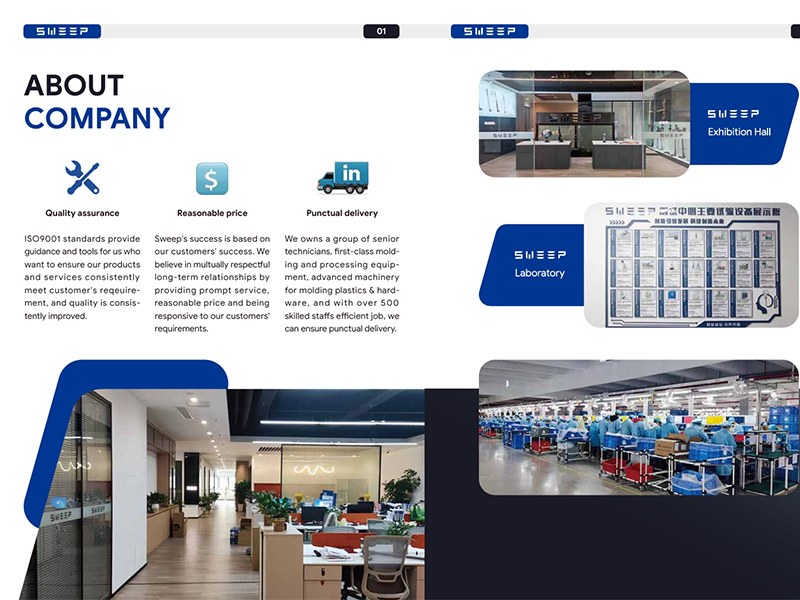
If you're a retailer, distributor, or brand owner trying to launch your own line rather than just shop for one, understanding this supply chain isn't optional — it's the entire foundation of whether your product succeeds or quietly disappoints customers within a year. The factories that separate themselves from the pack are the ones investing in things a logo swap can't fake: genuine battery cycle-life testing, brushless motor durability, and anti-tangle brush engineering developed through real R&D rather than copied from whatever's cheapest to source. This is exactly why working with an established vacuum cleaner manufacturer with a real engineering track record — rather than the lowest quote on a sourcing platform — tends to separate brands that last from ones that quietly get returned in bulk after the first shedding season or the first battery failure a year in.
What to Actually Ask Before Choosing a Manufacturing Partner
What certifications does the base model already hold, and do they transfer to a customized version?
Is this an OEM public-mold product, or genuine ODM development — and what does that mean for exclusivity?
What's the actual battery cell grade and cycle-life rating, not just the marketing runtime claim?
What's the realistic lead time from deposit to shipment, including packaging approval?
Can the factory provide references or existing brand partnerships as evidence of reliability?
Frequently Asked Questions
Do most vacuum brands actually manufacture their own products?
No — the large majority of cordless vacuums sold under retail brand names are produced by specialized manufacturers, with the vast majority of global smart cleaning appliance production concentrated in China.
What's the real difference between OEM and ODM vacuum manufacturing?
OEM typically means customizing an already-engineered product's branding and exterior, while ODM involves deeper collaboration on custom design and features, usually at higher cost and longer development time.
Why do two different vacuum brands sometimes look almost identical?
This usually happens when both brands source from the same OEM factory using a shared "public mold" design, differing mainly in color, branding, and packaging rather than internal engineering.
How long does it typically take to manufacture a private-label cordless vacuum?
Standard OEM mass production usually takes 25 to 45 days after the deposit is paid and packaging artwork is finalized, though this can vary based on order volume and customization level.
Does knowing about OEM/ODM manufacturing help me as a regular consumer?
Somewhat — it explains why similarly priced vacuums can perform very differently, and why battery quality and motor engineering (not brand name alone) are better indicators of long-term reliability.