A few months ago I watched my neighbor drag her twelve-year-old upright vacuum out to the curb on trash day. She'd finally had enough — the cord kept snagging on furniture legs, the bag was a nightmare to change, and honestly the thing weighed about as much as a car battery. She replaced it with a cordless stick vacuum that cost less than her monthly grocery bill, and now she won't stop talking about it. That's basically the story playing out in millions of households right now, and it's worth understanding why.
The Numbers Don't Lie: This Isn't a Fad
Cordless vacuums used to be the "nice to have" gadget you'd buy for quick touch-ups, while the real cleaning got done by a plug-in machine. That's flipped. Within the broader household vacuum category, cordless models became the single largest segment, pulling in roughly $7.9 billion in 2024 revenue and projected to climb toward $14.2 billion by 2034.
Source: Global Market Insights, gminsights.com/toc/detail/household-vacuum-cleaners-market
Separately, industry analysts tracking the cordless vacuum sector specifically pegged the market at around $8.26 billion in 2024, with a compound annual growth rate near 7.1% and a projected climb to $10.77 billion by 2028.
Source: ecommerceFastlane, ecommercefastlane.com/ultimate-guide-to-cordless-vacuums/
What's driving this isn't marketing hype — it's a combination of smaller households, more hard flooring, aging populations who want lighter equipment, and lithium-ion batteries finally getting good enough to trust. Ten years ago, "cordless" meant "underpowered and dies in eight minutes." That reputation is mostly gone now, though not entirely undeserved for cheaper models, which we'll get into.
What Actually Changed Inside These Machines
The real breakthrough wasn't suction, it was the battery chemistry and the motor. Older cordless vacuums ran on nickel-cadmium packs that lost power fast and degraded within a year or two. Nearly every cordless vacuum sold today runs on lithium-ion cells instead, which hold a charge longer, don't suffer badly from the "memory effect," and can be swapped out as removable packs rather than built permanently into the unit.
Digital brushless motors are the other piece. They spin faster, generate less friction, run cooler, and last considerably longer than the brushed motors that used to burn out after a couple of years of regular use. That's part of why premium cordless sticks can now legitimately compete with corded uprights on raw suction, something that would have sounded absurd a decade ago.
The Runtime Question Everyone Asks (And Gets Wrong)
Here's where marketing gets slippery. A box that says "up to 60 minutes" is almost always referring to the lowest suction setting, in a low-pile carpet test, with no motorized brush head attached. Switch to max power — which is what you'll actually use for a rug full of pet hair — and that number can drop to somewhere between 8 and 15 minutes on plenty of models. This isn't the manufacturers lying exactly, it's just that "up to" is doing a lot of heavy lifting in that sentence.
If you're shopping, a more honest way to evaluate runtime is to look at three numbers instead of one: low-power runtime, max-power runtime, and full recharge time. A vacuum that runs 45 minutes low, 10 minutes high, and recharges in 3 hours is a very different tool than one that runs 20 minutes low and 20 minutes high with an hour recharge — even if the second one looks worse on the box.
Entry-level models typically run 15-25 minutes on a single charge, often with a fixed (non-swappable) battery.
Mid-range sticks usually land in the 30-45 minute range on eco mode, with a removable battery pack.
Premium units push past 60 minutes on low power and sometimes ship with a second battery so you never lose momentum mid-clean.
Where the Manufacturing Actually Happens
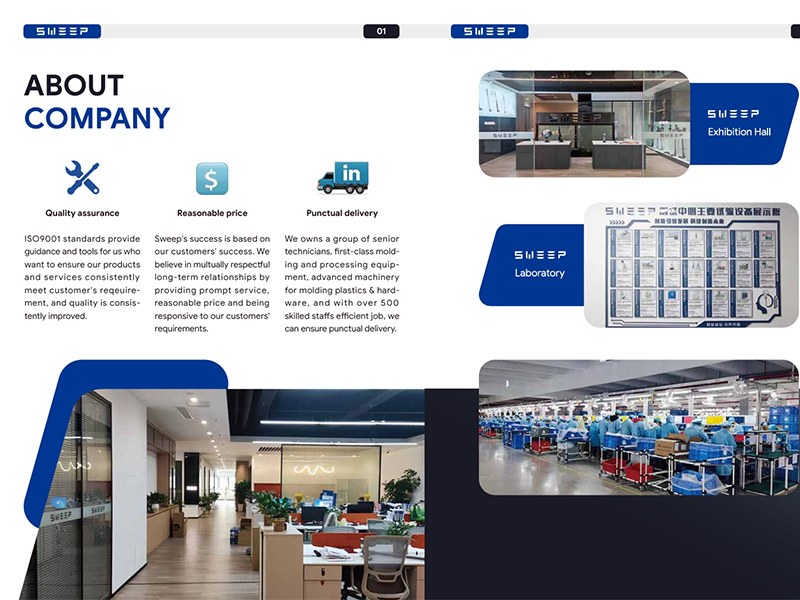
Something most shoppers never think about: the vast majority of cordless vacuums sold under dozens of different retail brand names actually come off assembly lines in China, then get rebranded, boxed, and shipped worldwide. This isn't a secret or a scandal — it's just how consumer electronics supply chains have worked for the last twenty years. The real differentiator between a good product and a mediocre one isn't the country it's built in, it's the quality control, component sourcing, and design partnership behind it.
This is exactly why the OEM/ODM side of the industry matters so much right now. Retailers and startups who want to launch their own cordless vacuum line without building a factory from scratch typically go through a specialized Cordless Vacuum Cleaner Manufacturer that already has the tooling, battery certifications, and R&D pipeline in place. That partnership model is a big part of why the market has diversified so quickly — you don't need to be Dyson-sized to launch a genuinely competitive product anymore, you just need the right manufacturing partner and a clear idea of who you're building for.
Suction Power: The Spec Nobody Explains Properly
You'll see suction listed in Air Watts (AW), Pascals (Pa), or sometimes just raw wattage, and none of these numbers are directly comparable across brands unless they're measured the same way. A vacuum rated at 150 AW isn't automatically weaker than one rated at 200 AW if the second number was measured at the motor rather than at the brush head, where it actually matters for cleaning.
A more practical approach: don't chase the highest number on the spec sheet. Instead, check whether the vacuum has a dedicated "carpet boost" or "auto-detect" mode that increases suction only when the sensor detects thicker flooring. That kind of intelligent power management does more for real-world cleaning performance — and battery life — than a bigger peak wattage number ever will.
The Maintenance Nobody Warns You About
Cordless vacuums are wonderfully convenient, but they do require more hands-on upkeep than people expect. Filters need rinsing every couple of weeks if you want suction to stay consistent — skip this and you'll swear the battery is dying when really it's just clogged. Brush rollers tangle with hair and thread faster than most people anticipate, especially in homes with long-haired pets or family members. And lithium batteries, while much better than the old nickel packs, still degrade a little with every charge cycle, so a three-year-old cordless vacuum genuinely won't hold the charge it did on day one. None of this is a dealbreaker, it's just the trade-off for ditching the cord. A five-minute filter rinse once a week is a small price for never wrestling a cable around a doorframe again.
Is It Actually Worth Switching?
For most apartments, condos, and homes without wall-to-wall thick carpet, yes — the convenience gap between cordless and corded has essentially closed for everyday cleaning. Where corded vacuums still hold an edge is in large homes with deep pile carpet throughout, where sustained high suction over 30+ minutes without a battery swap genuinely matters, or for households that vacuum daily and don't want to think about charging schedules. The sensible middle ground a lot of households land on: keep a corded or robot vacuum for the weekly deep clean, and use a cordless stick for the daily crumbs-and-pet-hair maintenance. It's not either/or anymore — it's about matching the tool to how often and how deeply you actually clean.
Frequently Asked Questions
How long do cordless vacuum batteries actually last before needing replacement?
Most lithium-ion packs hold up well for roughly 2-4 years of regular use, or somewhere around 500-800 charge cycles, before you'll notice a real drop in runtime. Removable battery models let you swap in a fresh pack instead of replacing the whole vacuum.
Are cordless vacuums powerful enough for thick carpet?
Mid-range and premium models with a dedicated carpet-boost mode handle medium-pile carpet fine. Very thick, deep-pile carpet is still where corded uprights or canister vacuums tend to outperform cordless sticks over long cleaning sessions.
Why do two vacuums with the same runtime clean so differently?
Runtime numbers are usually measured on the lowest suction setting. Two vacuums can both claim "45 minutes" while one drops to 8 minutes on max power and the other holds 20 — always check the high-power runtime separately.
Is it better to buy a vacuum with a removable or built-in battery?
Removable batteries cost a bit more upfront but pay off over time — you can replace just the battery instead of the whole unit once it degrades, and you can buy a spare for longer cleaning sessions without interruption.
Why are so many cordless vacuum brands made by the same factories?
It's standard in consumer electronics. Rather than every brand building its own factory, most work with an established manufacturer that already has battery safety certifications and motor R&D in place, which keeps costs down and speeds up how fast new models reach shelves.