Every year, millions of consumers unpack a brand-new cordless stick vacuum, charge it overnight, and marvel at how easily it glides across their living room rug. The digital display promises ultimate power, the LED headlights illuminate microscopic dust, and for the first few months, floor cleaning feels almost effortless.
Then, reality sets in.
By month eight, the battery runtime that used to cover the entire house barely lasts through two bedrooms. The motorized brush roll gets hopelessly choked by long hair, requiring a pocket knife and ten minutes of frustrating surgery to clear. Fine plaster dust or spilled flour clogs the internal cyclonic filters, causing a sharp drop in real-world suction that no amount of washing can truly fix.
For nearly a decade, the global cordless vacuum market has been locked in an aggressive specs war. Manufacturers routinely plaster massive numbers on their packaging—30,000 Pascals (kPa) of suction, 500 air watts of power, and high-resolution smart screens that resemble miniature smartphones. Yet, long-term testing reveals a striking paradox: despite these skyrocketing paper specifications, user dissatisfaction remains surprisingly high.
The truth is that maximizing raw suction power on a testing bench is easy. Designing a balanced, lightweight, and durable cleaning tool that maintains peak performance over five years of messy, real-world household abuse is incredibly difficult. As consumers grow wiser to marketing gimmicks, the entire manufacturing landscape is shifting away from meaningless spec chasing and toward meaningful structural reliability, advanced filtration longevity, and transparent supply chain sourcing.
The Illusion of Suction: Why Air Watts and kPa Overpromise
To understand why so many premium cordless vacuums underperform over time, it helps to understand how suction is measured—and how those measurements are manipulated for marketing materials.
Manufacturers generally use two primary metrics to advertise a vacuum’s cleaning capability:
Kilopascals (kPa): This measures static suction, or the raw pulling force the motor can exert when the airflow is completely blocked.
Air Watts (AW): This combines both airflow (cubic feet per minute) and static suction into a single formula, theoretically representing the actual energy available at the cleaner head.
When a brand claims its vacuum delivers a massive 220 Air Watts or 32 kPa of suction, that testing occurs under absolute laboratory conditions. The machine is fitted with a completely empty dust cup, a brand-new, unsoiled HEPA filter, and a fully charged battery running at room temperature. Crucially, the measurement is taken directly at the motor inlet or the base of the wand, not at the floor level through a complex motorized brush bar.
In a real home, this maximum power level is usually achieved only in "Turbo" or "Max" mode. Engaging this mode places an immense thermal and electrical strain on the lithium-ion battery cells. Most cordless models can only sustain this peak power for six to eight minutes before the thermal management system forces a shutdown or the battery drains completely.
Furthermore, static suction means very little without consistent, unimpeded airflow. The moment you begin vacuuming up fine dust, pet dander, or drywall residue, those tiny particles bypass the primary mesh shroud and embed themselves deep inside the microscopic pores of the pleated fabric filters. Within minutes of active use, the actual airflow dropping through the wand can plummet by up to 40%. The motor might still be spinning at 120,000 RPM, consuming maximum battery juice, but the actual dirt-lifting capability at the carpet surface is severely compromised.
True cleaning efficiency depends on fluid dynamics—specifically, how well the vacuum maintains high velocity across the cleaning head while separating dirt from air before it ever hits the physical filter elements.
The Silent Evolution of Manufacturing and Sourcing
Behind nearly every household name in the Western appliance market lies a highly sophisticated, deeply integrated manufacturing network centered in Asia. For decades, global brands operated on a strict, traditional outsourcing model: the Western company handled industrial design and software engineering, while overseas factories acted merely as contract assemblers.
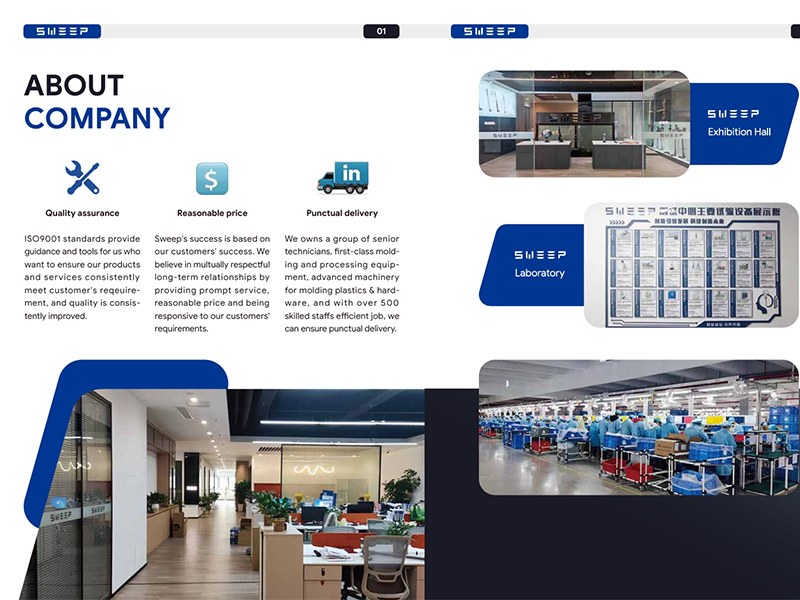
Today, that relationship has inverted. The vast majority of technological breakthroughs in digital brushless motors, multi-cyclonic separation, and automated battery management systems are engineered inside specialized hubs, prominently led by a top-tier Cordless Vacuum Cleaner China ecosystem.
Modern Tier-1 Original Equipment Manufacturers (OEMs) and Original Design Manufacturers (ODMs) no longer just assemble plastic parts based on a client's blueprints. Instead, they operate massive research and development facilities dedicated exclusively to floor-care physics. They hold thousands of international patents on high-speed digital motors, acoustic dampening, and self-cleaning brush geometries.
When a major retail brand decides to launch a new cordless stick vacuum, they rarely build it from scratch. Instead, they collaborate with these specialized manufacturing partners, selecting a proven core platform—such as a 125,000 RPM motor base and an 8-cell lithium-ion pack—and then customizing the exterior aesthetics, interface software, and attachment bundles to fit their brand identity.
This shift explains why a mid-tier cordless vacuum purchased for $200 today often performs remarkably similarly to a $700 flagship model from a legacy brand. The internal motor technology, sealing gaskets, and battery cells frequently originate from the exact same specialized production lines. The premium price tag of the legacy brand doesn't necessarily buy better suction engineering; instead, it pays for extensive television marketing campaigns, retail placement fees, and localized corporate overhead.
The Engineering Bottlenecks: Filters, Batteries, and Hair Wrap
When evaluating a cordless stick vacuum for long-term ownership, smart buyers look past the initial suction specs and evaluate how well the machine resolves three major engineering bottlenecks.
1. Multi-Cyclonic Separation Efficiency
When a vacuum pulls in dirty air, that air needs to spin. A well-designed multi-cyclonic system uses centrifugal force to fling heavy debris, hair, and fine dust outward against the walls of the dust bin, letting it drop to the bottom. The cleaner air is then funneled upward through the center of the vortex toward the filters.
Cheap vacuums use a single, rudimentary cyclone surrounded by a simple plastic mesh screen. This primitive setup allows far too many fine dust particles to escape the bin and smash directly into the fabric or paper filter. Within weeks, the filter chokes, the motor strains, and the vacuum begins emitting a faint, musty odor.
Premium engineering incorporates a multi-cone array—often consisting of 6 to 12 precise, parallel miniature cyclones. These generate immense G-forces that capture up to 99.9% of microscopic dust particles before they can ever reach the physical post-motor HEPA filter. This keeps the filter clean for months, ensuring that the airflow remains completely unrestricted and the suction power doesn't drop during extended cleaning sessions.
2. Battery Degradation and Thermal Management
A cordless vacuum is only as good as its battery chemistry. Most modern sticks use lithium-ion packs containing standard 18650 or 21700 cylindrical cells.
The enemy of lithium-ion cells is heat. When a user runs a vacuum in high-power modes, the high current draw causes the internal temperature of the pack to skyrocket. If the vacuum housing lacks active cooling channels or advanced electronic monitoring, this heat permanently damages the internal anode and cathode structures of the cells.
Over a few hundred charge cycles, the battery's internal resistance increases, resulting in a dramatic loss of total capacity. This is why a vacuum that once cleared a large home on a single charge eventually begins dying after just ten minutes of light use. High-quality designs mitigate this by implementing smart Battery Management Systems (BMS) that actively regulate voltage, prevent overcharging, and throttle power if internal temperatures cross critical thresholds. Furthermore, the inclusion of easily click-in, user-replaceable battery packs has become a mandatory feature for long-term sustainability, preventing a dead battery from turning a $400 machine into electronic waste.
3. De-Tangling Brush Roll Mechanics
For anyone sharing a home with long-haired individuals or pets, the traditional fuzzy brush roll is a continuous maintenance nightmare. Hair wraps tightly around the roller cylinder, binding the bearings and eventually causing the drive belt or internal brush motor to snap or burn out.
To solve this, advanced floor heads now utilize active mechanical solutions rather than relying on users to manually cut hair away. These innovations include:
Internal Combing Teeth: A row of rigid, built-in plastic teeth that ride directly inside the groove of the brush roll, continuously stripping hair and guiding it up into the suction channel before it can wrap tightly.
V-Shaped Bristle Geometries: Bristles arranged in a specialized chevron pattern that naturally coaxes hair toward the center of the roller, where the suction force is concentrated, allowing it to be easily pulled into the intake wand.
Extra-Large Diameter Rollers: Thick, plush rollers that have a circumference greater than the average length of a human hair strand, making it physically impossible for a single hair to loop completely around and knot itself.
A Direct Comparison: Premium vs. Budget Engineering Architecture
To help visualize how these hidden engineering choices translate to real-world ownership, the table below highlights the structural differences between properly engineered platforms and cut-corner budget models.
| Engineering Component | Premium/Tier-1 OEM Architecture | Cut-Corner Budget Architecture |
|---|
| Motor Technology | High-efficiency, smart digital brushless (BLDC) motors spinning at 100,000+ RPM with electronic load sensing. | Legacy brushed motors or low-speed brushless variants that require high wattage but deliver poor airflow efficiency. |
| Separation Stage | Advanced multi-cone cyclonic arrays generating high G-forces to isolate microscopic dust particles. | Single-cyclonic chambers heavily reliant on primitive mesh or foam wraps that clog almost instantly. |
| Filter Integration | Fully sealed, rubber-gasketed HEPA filtration systems ensuring no dirty air bypasses the exhaust. | Loose-fitting, unsealed filters that allow ultra-fine allergens and dust to escape back into the room. |
| Battery System | Smart BMS with active thermal monitoring, premium high-discharge cells, and modular, click-in designs. | Fixed, non-removable battery packs using generic cells susceptible to rapid thermal degradation. |
| Floor Head Mechanics | Active anti-tangle combing blades with high-torque independent drive motors. | Passive plastic rollers with exposed belt drives that easily choke on carpet fibers and pet hair. |
The Ergonomics of Fluid Dynamics: Weight Distribution Matters
When shopping for a vacuum, it is incredibly easy to focus purely on cleaning power while completely ignoring physical usability. A cordless stick vacuum is a tool you must actively carry, lift, and maneuver around furniture, often for 30 to 45 minutes at a time.
The total weight listed on a spec sheet can be highly deceptive. Two different vacuums might both weigh exactly 5.5 pounds, yet feel completely different in your hand due to structural weight distribution.
Vacuums that house the heavy digital motor, cyclonic assembly, and battery pack directly underneath the handle place the center of gravity right at the user's wrist. This design makes the vacuum feel incredibly agile when lifting the wand to clean high curtain rods, ceiling fans, or tight corners behind furniture. However, it also means your wrist and forearm continuously support the bulk of the machine's mass when cleaning floors, which can lead to joint fatigue over long cleaning sessions.
Conversely, some manufacturers place the dust bin and heavy motor assembly lower down on the wand. This shifts the center of gravity closer to the floor head, making the vacuum feel remarkably light and effortless to push back and forth across a large carpet. The downside is that these models are awkwardly bottom-heavy, making them frustratingly cumbersome to lift for overhead cleaning or to use as a nimble handheld tool for detailing a vehicle's interior.
Additionally, the physical trigger mechanism plays a massive role in user comfort. Some brands utilize a continuous-hold trigger, requiring you to constantly squeeze a spring-loaded switch to maintain power. The engineering intent is to save battery life—the moment you stop moving to pick up a toy, you release the trigger and stop consuming power. However, many users find that this constant squeezing causes significant hand cramping. Modern human-centric designs have largely shifted toward a simple, single-click power button or an electronic lock that keeps the vacuum running smoothly without manual strain.
Making a Sustainable Choice: Beyond the Marketing Hype
As the global appliance market matures, the era of buying a disposable, short-lived vacuum every two years is coming to a close. Consumers are increasingly prioritizing repairability, modularity, and transparent manufacturing quality.
When you look for your next cordless stick vacuum, don't let flashy digital screens or inflated kPa numbers dictate your purchase decision. Instead, focus on the engineering realities that govern daily use:
Look for multi-cyclonic filtration systems that keep the air flowing freely without choking the filters.
Prioritize modular, click-in battery packs that can be swapped out easily when the original cells inevitably degrade.
Seek out smart, mechanical anti-tangle floor heads that eliminate the tedious chore of cutting wrapped hair out of the brush roll.
By understanding the true mechanics of fluid dynamics and acknowledging the advanced engineering coming out of top-tier manufacturing hubs, you can choose a reliable cleaning tool that will keep your home pristine for years to come.